Decentralized Finance (DeFi) uses smart contracts on blockchain networks to recreate traditional financial services without intermediaries, enabling lending, trading, and investing through automated protocols.
Traditional finance requires you to trust banks, brokers, and countless other middlemen with your money. You hope they act in your best interest, follow the rules, and don't lose your funds through incompetence or fraud. History shows this trust is often misplaced.
DeFi eliminates the need for trust by replacing human intermediaries with mathematical code. Instead of hoping a bank will honor your deposit, smart contracts guarantee it through unbreakable mathematical rules. Instead of trusting a broker to execute trades fairly, automated protocols ensure perfect execution every time.
This isn't just a minor improvement - it's a fundamental reimagining of how finance works. DeFi makes financial services more accessible, transparent, and efficient while giving users complete control over their assets.
Understanding DeFi is crucial because it represents the future of finance. The principles and protocols being developed today will likely power the global financial system for decades to come.
This comprehensive guide explains everything from basic concepts to advanced opportunities, providing the foundation you need to understand and participate in the DeFi revolution.
After learning about alternative financial systems and liquidity pool strategies, understanding DeFi fundamentals provides the essential knowledge base for all advanced strategies.
DeFi Fundamentals and Definition
Decentralized Finance represents a complete reconstruction of financial services using blockchain technology and mathematical automation instead of human intermediaries.
Core Principles of Decentralization
Elimination of Intermediaries: DeFi removes banks, brokers, clearinghouses, and other traditional intermediaries, enabling direct peer-to-peer financial transactions.
Permissionless Access: Anyone with an internet connection can access DeFi services without requiring approval from institutions or authorities.
Transparency: All DeFi operations are recorded on public blockchains, making every transaction and protocol state visible and verifiable.
Censorship Resistance: Decentralized protocols cannot be easily shut down or censored by governments or other authorities.
Global Accessibility: DeFi protocols work identically for users worldwide without geographic restrictions or varying service levels.
Open Source Development: Most DeFi protocols use open source code that anyone can review, audit, and improve.
Smart Contract Technology
Automated Execution: Smart contracts are computer programs that automatically execute agreements when predetermined conditions are met, without requiring human intervention.
Immutable Logic: Once deployed, smart contracts operate according to their programmed rules, which cannot be changed arbitrarily or corrupted by human bias.
Deterministic Outcomes: Smart contracts produce predictable results based on inputs and conditions, eliminating uncertainty about execution.
Composability: Smart contracts can interact with other smart contracts, enabling complex financial products built from simpler components.
24/7 Operations: Smart contracts operate continuously without downtime, business hours, or holiday interruptions.
Cost Efficiency: Automated execution reduces operational costs compared to human-intensive traditional financial services.
Blockchain Infrastructure Requirements
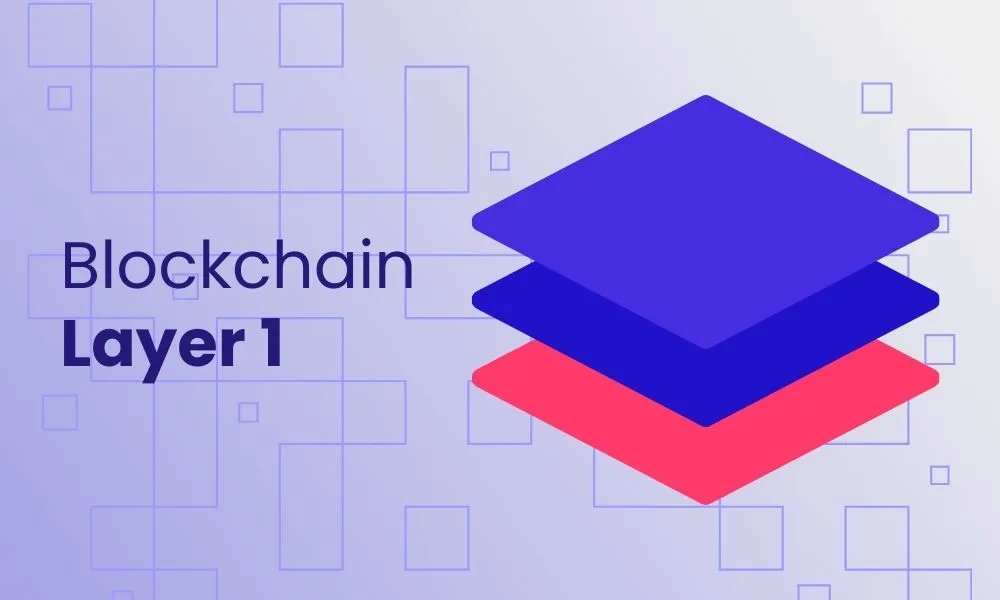
Settlement Layer: Blockchains provide the foundational settlement layer where all DeFi transactions are recorded and finalized.
Consensus Mechanisms: Distributed networks validate transactions through consensus algorithms, ensuring security without central authorities.
Cryptographic Security: Advanced cryptography protects user funds and ensures transaction integrity without relying on institutional security.
Network Effects: Blockchain networks become more secure and valuable as more users and applications join.
Interoperability: Modern blockchain infrastructure enables protocols to interact across different networks and ecosystems.
Scalability Solutions: Layer 2 networks and scaling solutions address transaction capacity limitations while maintaining decentralization.
How Smart Contracts Enable Finance
Smart contracts transform finance by automating complex processes that traditionally require extensive human oversight and intervention.
Automated Execution and Settlement
Conditional Logic: Smart contracts can implement complex conditional logic that executes different actions based on various inputs and market conditions.
Instant Settlement: Transactions settle immediately upon execution without waiting for traditional clearing and settlement processes.
Escrow Services: Smart contracts can hold funds in escrow and release them automatically when conditions are met, eliminating the need for trusted third parties.
Multi-Party Agreements: Complex agreements involving multiple parties can be automated and executed without requiring coordination between intermediaries.
Error Reduction: Automated execution eliminates human errors that commonly occur in manual financial processes.
Audit Trail: Every smart contract interaction creates an immutable record that can be audited and verified by anyone.
Programmable Money Concepts
Conditional Transfers: Money can be programmed to transfer automatically based on specific conditions, time periods, or external events.
Streaming Payments: Continuous payment streams that transfer money in real-time rather than discrete payments.
Recurring Payments: Automatic recurring payments that don't require manual authorization for each transaction.
Multi-Signature Requirements: Funds can require multiple signatures or approvals before being transferred, implementing sophisticated access controls.
Time Locks: Money can be locked for specific time periods, enabling various financial instruments and incentive structures.
Fractional Ownership: Smart contracts enable easy fractional ownership of assets and automatic distribution of returns to multiple owners.
Trustless Transaction Processing
Mathematical Guarantees: Smart contracts provide mathematical certainty about transaction execution rather than relying on institutional promises.
Verifiable Operations: All smart contract operations can be independently verified by anyone without trusting external parties.
Elimination of Counterparty Risk: Smart contracts execute automatically without requiring counterparties to fulfill their obligations manually.
Reduced Settlement Risk: Immediate settlement eliminates the risk that one party will fail to deliver after the other has performed.
Transparent Fees: All fees and costs are transparent and programmed into smart contracts, eliminating hidden charges.
Global Standards: Smart contracts operate according to the same rules globally, eliminating variations in execution based on jurisdiction or institution.
DeFi Protocols and Services
DeFi encompasses various types of protocols that recreate and improve upon traditional financial services through decentralized automation.
Decentralized Exchanges (DEXs)
Automated Market Makers: DEXs use mathematical formulas to enable continuous trading without requiring order books or human market makers.
Liquidity Pools: Users contribute assets to liquidity pools and earn fees from traders who use their liquidity for swaps.
Price Discovery: Automated market making algorithms discover prices through supply and demand without central price setting.
Cross-Asset Trading: DEXs enable trading between any supported tokens without requiring centralized exchange listings.
Non-Custodial Trading: Users maintain control of their assets throughout the trading process without depositing funds with exchanges.
Lending and Borrowing Protocols
Algorithmic Interest Rates: Interest rates are determined automatically by supply and demand algorithms rather than institutional decisions.
Overcollateralized Loans: Borrowers must deposit collateral worth more than their loan amount, eliminating default risk for lenders.
Liquidation Mechanisms: Smart contracts automatically liquidate undercollateralized positions to protect lenders.
Flash Loans: Uncollateralized loans that must be repaid within the same transaction, enabling new arbitrage and capital efficiency strategies.
Yield Generation: Lenders earn interest on deposited assets while maintaining liquidity through withdrawal capabilities.
Synthetic Assets and Derivatives
Asset Representation: Synthetic tokens represent exposure to real-world assets like stocks, commodities, and currencies through blockchain-native instruments.
Collateral-Backed Synthetics: Synthetic assets are backed by cryptocurrency collateral locked in smart contracts.
Price Tracking: Oracle networks provide price feeds that enable synthetic assets to track their underlying asset prices.
Global Access: Synthetic assets provide global access to traditional financial markets without geographic restrictions.
Fractional Ownership: Synthetic assets can be easily divided and traded in small fractions, improving accessibility.
Insurance and Risk Management
Decentralized Insurance: Community-owned insurance protocols that pool risk and share rewards among participants.
Parametric Coverage: Insurance that pays claims automatically based on verifiable data feeds rather than traditional claim assessment.
Smart Contract Coverage: Insurance specifically designed to cover smart contract failures and DeFi protocol risks.
Mutual Risk Sharing: Risk sharing models where participants contribute to shared pools and receive coverage in return.
Prediction Markets: Decentralized markets for betting on future events that provide price discovery for risk assessment.
DeFi Investment Opportunities
DeFi creates new investment opportunities that combine traditional financial concepts with innovative blockchain-native mechanisms.
Yield Farming and Liquidity Mining
Liquidity Provision: Earn fees by providing liquidity to decentralized exchanges and earning a share of trading fees.
Token Rewards: Many protocols offer additional token rewards to liquidity providers to bootstrap adoption and usage.
Compound Yields: Reinvesting rewards automatically creates compound growth over time.
Strategy Optimization: Advanced strategies involve moving capital between protocols to optimize yields while managing risks.
Risk-Adjusted Returns: Successful yield farming requires balancing potential returns against various risks including impermanent loss and smart contract risks.
Governance Token Investments
Protocol Ownership: Governance tokens represent ownership stakes in DeFi protocols, similar to corporate stock ownership.
Revenue Sharing: Many governance tokens entitle holders to shares of protocol revenue and fees.
Voting Rights: Token holders can vote on protocol changes, fee structures, and development priorities.
Value Accrual: Successful protocols generate value that accrues to governance token holders through various mechanisms.
Network Effects: Token value often benefits from network effects as protocols gain adoption and usage.
Protocol Fee Revenue Sharing
Fee Distribution: Some protocols distribute trading fees and other revenue directly to token holders.
Staking Rewards: Token holders can stake their tokens to earn additional rewards and participate in protocol security.
Buyback Programs: Protocols may use revenue to buy back and burn tokens, reducing supply and potentially increasing token value.
Treasury Management: Protocol treasuries generate additional returns that may be shared with token holders.
Ecosystem Incentives: Revenue sharing aligns token holder interests with protocol success and long-term development.
Risks and Risk Management
DeFi investment opportunities come with unique risks that require understanding and active management.
Smart Contract Vulnerabilities
Code Risks: Bugs or vulnerabilities in smart contract code can be exploited to drain funds from protocols.
Audit Limitations: Even audited smart contracts may contain undiscovered vulnerabilities or design flaws.
Upgrade Risks: Protocol upgrades may introduce new vulnerabilities or change terms unfavorably for users.
Dependency Risks: Protocols often depend on other protocols, inheriting their risks and vulnerabilities.
Economic Attacks: Sophisticated attacks that exploit protocol economics rather than code bugs.
Market and Liquidity Risks
Impermanent Loss: Liquidity providers may experience losses when token prices diverge significantly from their initial ratios.
Token Volatility: DeFi tokens can be extremely volatile, affecting the value of investments and rewards.
Liquidity Risk: Some DeFi investments may become illiquid during market stress, making it difficult to exit positions.
Correlation Risk: During market downturns, most DeFi assets tend to move together, reducing diversification benefits.
Yield Sustainability: High yields may not be sustainable long-term, especially those dependent on token emissions.
Regulatory Uncertainty
Evolving Regulations: DeFi regulations are still developing, creating uncertainty about future compliance requirements.
Token Classification: Unclear regulations about whether tokens are securities could affect their legal status and trading.
Geographic Restrictions: Some jurisdictions may restrict or ban DeFi activities, affecting protocol accessibility.
Tax Implications: Complex and evolving tax treatment of DeFi activities creates compliance challenges.
Institutional Adoption: Regulatory uncertainty may slow institutional adoption and integration with traditional finance.
Getting Started with DeFi
Beginning DeFi participation requires understanding basic setup, security practices, and risk management approaches.
Wallet Setup and Security
Non-Custodial Wallets: Use wallets like MetaMask or hardware wallets where you control private keys rather than trusting centralized services.
Seed Phrase Security: Safely store wallet seed phrases offline and never share them with anyone or enter them on websites.
Hardware Wallet Integration: For larger amounts, use hardware wallets that store private keys on dedicated secure devices.
Multi-Signature Setup: For significant holdings, consider multi-signature wallets that require multiple approvals for transactions.
Regular Security Reviews: Regularly review and update security practices as holdings and activity levels increase.
First Protocol Interactions
Start Small: Begin with small amounts while learning protocol mechanics and building confidence with DeFi interactions.
Established Protocols: Start with well-established protocols that have strong security track records and extensive audits.
Simple Strategies: Begin with simple strategies like stablecoin lending before moving to more complex yield farming.
Gas Fee Understanding: Learn about transaction fees and how to optimize gas usage for cost-effective interactions.
Documentation Review: Read protocol documentation and understand how smart contracts work before committing funds.
Risk Management Best Practices
Diversification: Spread investments across multiple protocols and strategies to reduce concentration risk.
Position Sizing: Limit individual protocol exposure to amounts you can afford to lose completely.
Regular Monitoring: Monitor positions regularly for changes in risks, yields, and protocol developments.
Exit Planning: Have clear criteria for exiting positions based on risk levels or changing conditions.
Continuous Learning: Stay informed about DeFi developments, new risks, and best practices through ongoing education.
DeFi Ecosystem Evolution
The DeFi ecosystem continues evolving rapidly with new innovations, improved security, and expanding functionality.
Protocol Maturation: Early protocols are maturing with improved security, better governance, and sustainable economics.
Infrastructure Development: Better tools, interfaces, and infrastructure make DeFi more accessible to mainstream users.
Integration Trends: Traditional financial institutions increasingly integrate DeFi capabilities and services.
Cross-Chain Expansion: DeFi is expanding across multiple blockchain networks, improving accessibility and reducing single-network risks.
Regulatory Clarity: Evolving regulatory frameworks provide more clarity while preserving innovation and accessibility.
Institutional Adoption: Growing institutional participation brings additional capital and legitimacy to DeFi protocols.
Future Developments and Trends
DeFi's trajectory suggests continued innovation and mainstream adoption with several key development areas.
User Experience Improvements: Better interfaces and simplified interactions will make DeFi accessible to non-technical users.
Scalability Solutions: Layer 2 networks and more efficient blockchains will reduce costs and increase transaction capacity.
Real-World Integration: Greater integration with traditional assets and real-world economic activity.
Regulatory Frameworks: Clearer regulatory guidelines that enable innovation while protecting users and maintaining financial stability.
Institutional Infrastructure: Professional-grade infrastructure and services to support institutional adoption and compliance.
Global Financial Inclusion: DeFi's potential to provide financial services to underserved populations worldwide.
Ready to understand and participate in decentralized finance? Decentralized Masters teaches the proven ABN System for systematic DeFi education and investment strategies. Learn how DeFi fundamentals integrate with alternative finance concepts and practical strategies for comprehensive DeFi success.
Frequently Asked Questions
Can governments shut down DeFi?
Individual protocols are difficult to shut down due to decentralization, though governments can restrict access or regulate specific activities.
What equipment do I need for DeFi?
You need a computer or smartphone, internet connection, and a compatible wallet. Hardware wallets are recommended for larger amounts.
How is DeFi different from traditional finance?
DeFi operates 24/7 globally, is transparent and programmable, doesn't require intermediaries, and often offers higher yields than traditional finance.
Do I need a lot of money to start with DeFi?
You can start with small amounts ($100-500), though transaction fees may make very small amounts less practical on some networks.
What are the main risks of using DeFi?
Key risks include smart contract bugs, impermanent loss, token volatility, and regulatory uncertainty. Proper risk management is essential.
How do I make money with DeFi?
Common strategies include providing liquidity to earn fees, lending assets for interest, and investing in governance tokens of successful protocols.
Is DeFi safe for beginners?
DeFi involves risks including smart contract vulnerabilities and market volatility. Start with small amounts, use established protocols, and learn security practices.
What exactly is DeFi and how does it work?
DeFi uses smart contracts on blockchains to automate financial services like lending, trading, and investing without traditional intermediaries like banks.